Commercial Roof Lifespan by Material Type
Commercial Roofing, Roof Lifespan, Roofing Materials
How Long Should a Commercial Roof Last? (By Material Type)
For businesses and agencies, a commercial roof is a long-term investment, not just a line item. Understanding how long different roofing materials typically last helps you budget wisely, plan maintenance, and avoid disruptive, last‑minute replacements.
What Is the Typical Lifespan of a Commercial Roof?
In general, a well-designed and properly installed commercial roofing system should last anywhere from 15 to 40+ years. The exact roof lifespan depends on the roofing materials you choose, the local climate, installation quality, and how consistently you handle roof maintenance over time. Rather than asking, “How long does a commercial roof last?” it is more accurate to ask, “How long should this specific type of roof last under real-world conditions?”
Roof Lifespan by Material Type
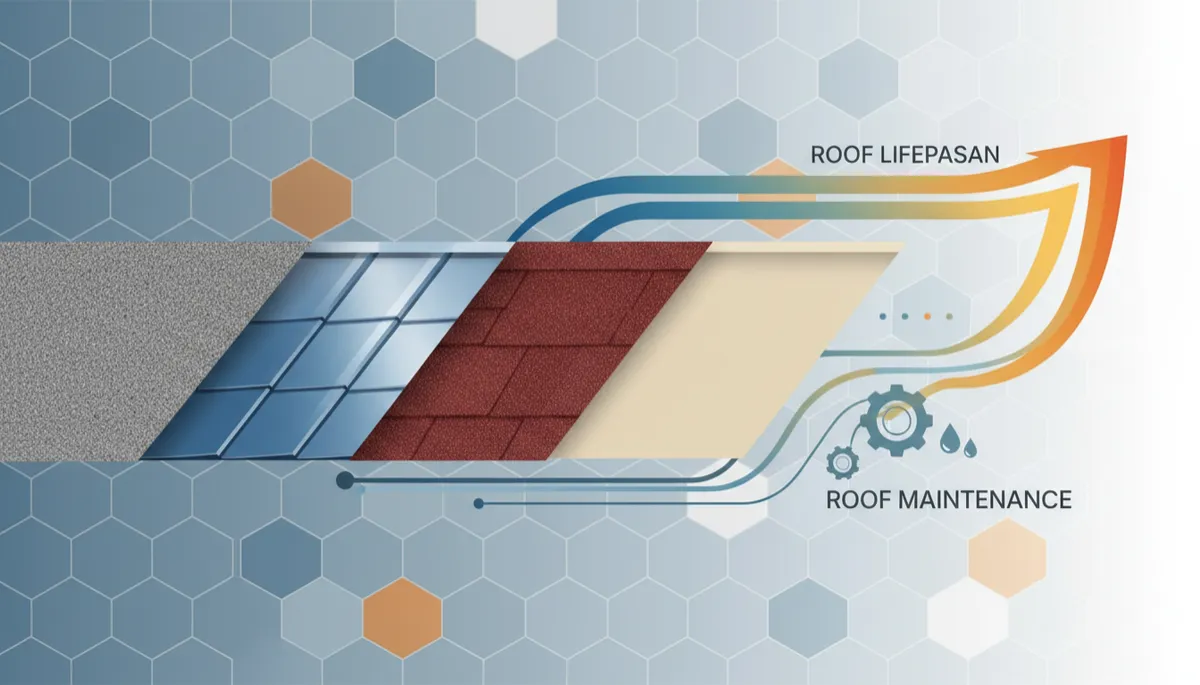
Below is a high-level comparison of common commercial roofing materials and their typical service lives when installed and maintained correctly. Actual performance will vary by region and exposure, but these ranges provide a practical planning benchmark for owners, property managers, and agencies overseeing multiple facilities.
Roofing Material Typical Roof Lifespan Common Use Single-ply membrane (TPO, PVC, EPDM) 20–30 years Flat roofs on offices, retail, light industrial Built-up roofing (BUR) / modified bitumen 20–30 years Legacy flat roofs, public buildings, schools Metal roofing (standing seam, architectural) 40–60+ years Warehouses, industrial, institutional, agencies Asphalt shingles (steep-slope commercial) 20–30 years Small offices, mixed-use, converted homes
Flat Roofs: What to Expect from Single-Ply and Built-Up Systems
Most modern commercial buildings use some form of flat roofs or low-slope systems. These are typically built with single-ply membranes such as TPO, PVC, or EPDM, or with traditional built-up roofing (BUR) and modified bitumen. Under normal conditions, a flat commercial roof will last around 20–30 years.
Key factors that influence the lifespan of flat roofing materials include:
UV exposure and heat: Sunlight and high temperatures accelerate membrane aging and surface cracking.
Ponding water: Poor drainage shortens roof lifespan and increases the risk of leaks at seams and penetrations.
Foot traffic: Frequent access for HVAC servicing or equipment installations can damage membranes without proper walk pads.
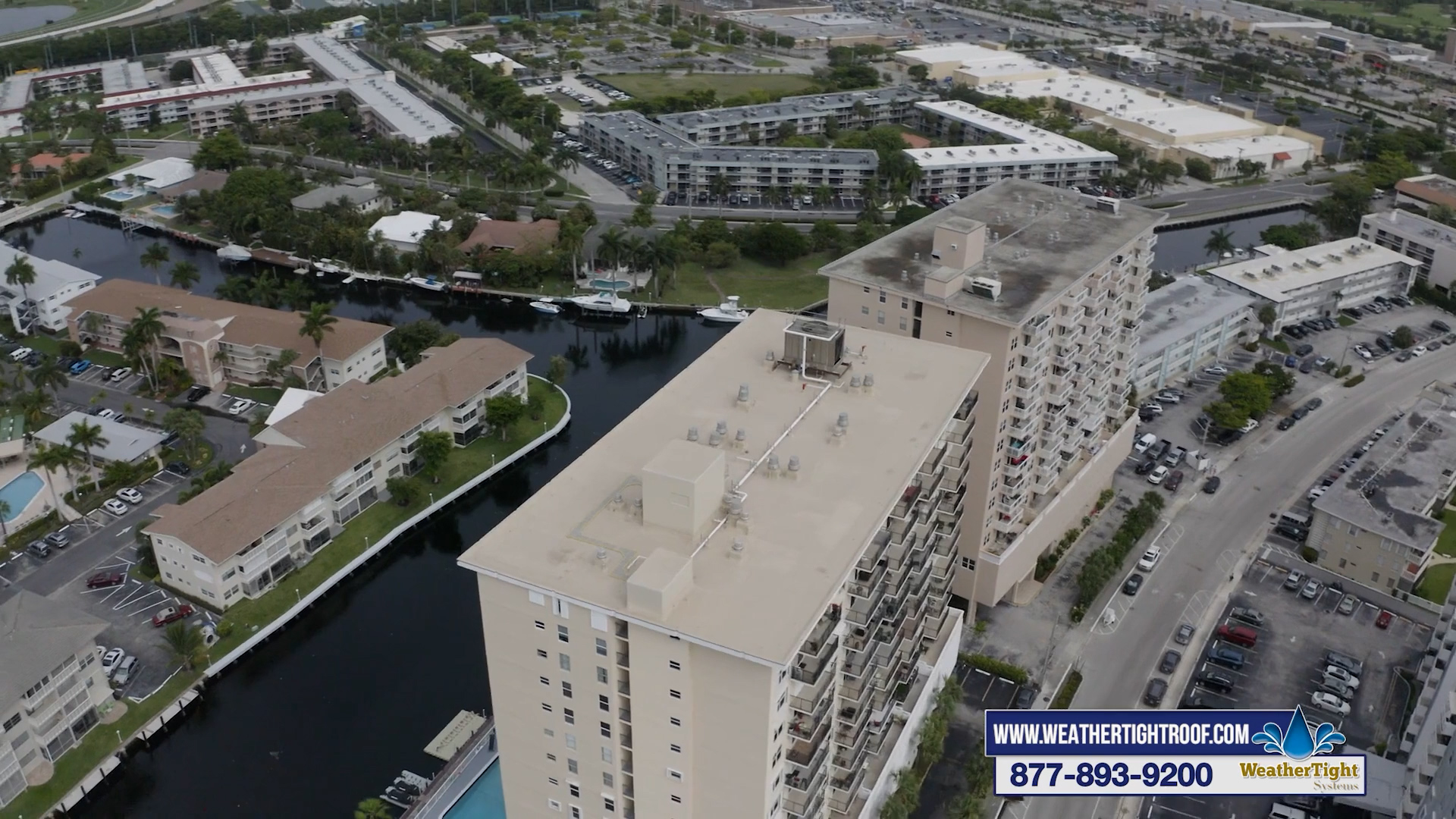
Planned walkways and drainage details can easily add years to a flat roof’s service life.
Metal Roofing: Long-Term Performance for Commercial Buildings
For owners who prioritize longevity, metal roofing is one of the most durable commercial roofing options on the market. A properly engineered standing seam metal roof can often deliver 40–60 years of service, sometimes more, with relatively modest roof maintenance requirements compared to other systems.
Metal roofs perform especially well on low- to moderate-slope structures, warehouses, and public or institutional buildings. Their long roof lifespan comes from corrosion-resistant coatings, interlocking panels, and fewer seams. However, periodic inspections are still essential to monitor fasteners, sealants, and flashings, particularly in high-wind or coastal environments.
Why Roof Maintenance Matters More Than You Think
No matter which roofing materials you choose, roof maintenance is the single biggest factor you can control to extend service life. Even a premium commercial roofing system can fail early if drains clog, minor punctures go unrepaired, or rooftop equipment is installed without proper coordination.
Schedule professional inspections at least twice a year and after major storms.
Keep gutters, scuppers, and drains clear to prevent standing water on flat roofs.
Document all repairs, warranties, and rooftop changes for compliance and budget forecasting.
💡 Pro Tip: Treat roof maintenance as a scheduled operational expense, not an emergency cost. A modest annual program often adds 5–10 years to commercial roof lifespan and reduces unplanned downtime.
Planning Your Next Commercial Roofing Investment
For businesses and agencies managing portfolios of buildings, understanding how long a commercial roof should last by material type is essential for capital planning. Flat roofs with single-ply or built-up systems typically provide a reliable 20–30 year window, while metal roofing can stretch your replacement cycle to several decades. Combine the right roofing materials with a proactive roof maintenance plan, and you will protect both your facilities and your long-term budget.