Commercial Roof Repair vs Replacement Guide
Commercial Roofing, Roof Repair, Roof Replacement, Decision Guide
Commercial Roof Repair vs Replacement: How to Decide
Choosing between commercial roof repair and full roof replacement can feel daunting. This decision affects your budget, building operations, and long-term protection of your assets. Use this practical decision guide to compare costs, understand your options, and keep your commercial roofing system performing at its best.
1. Commercial Roof Repair vs Replacement: What’s the Difference?
Commercial roof repair focuses on solving specific problems: leaks around penetrations, localized membrane damage, ponding water, failing flashings, or isolated storm damage. Repairs are typically faster, less disruptive, and lower in upfront cost, making them appealing when your roof is generally sound but showing problem areas.
Commercial roof replacement involves removing all or most of the existing system and installing a new one. This option is usually recommended when the roof is near the end of its service life, has widespread damage, or no longer meets your building’s performance needs for energy efficiency, drainage, or warranty coverage. While more expensive initially, a new roof can offer decades of reliable protection when properly maintained.
📌 Key Takeaway: Repair is about fixing isolated issues; replacement is about starting fresh with a long-term commercial roofing solution.
2. Cost Comparison: Repair vs Replacement Over Time
Cost is often the deciding factor, but it’s important to compare more than just today’s invoice. A smart cost comparison weighs upfront price, expected lifespan, energy savings, and risk of future damage.
Roof repair costs are usually lower per visit and ideal for newer or mid-life roofs. However, frequent patching on an aging roof can add up, especially if leaks cause interior damage, mold, or downtime for your business operations.
Roof replacement costs are higher initially but include a new warranty, better insulation options, and improved energy performance. Over 15–25 years, replacement can be more economical than constant repairs, particularly for roofs already past their prime.
Factor Roof Repair Roof Replacement Upfront cost Low to moderate High Long-term value Good if roof is relatively young Excellent when roof is near end of life Business disruption Minimal and localized Greater, but can be phased
💡 Pro Tip: Ask your contractor for a 5–10 year cost projection comparing repeated repairs versus a full roof replacement for a clearer financial picture.
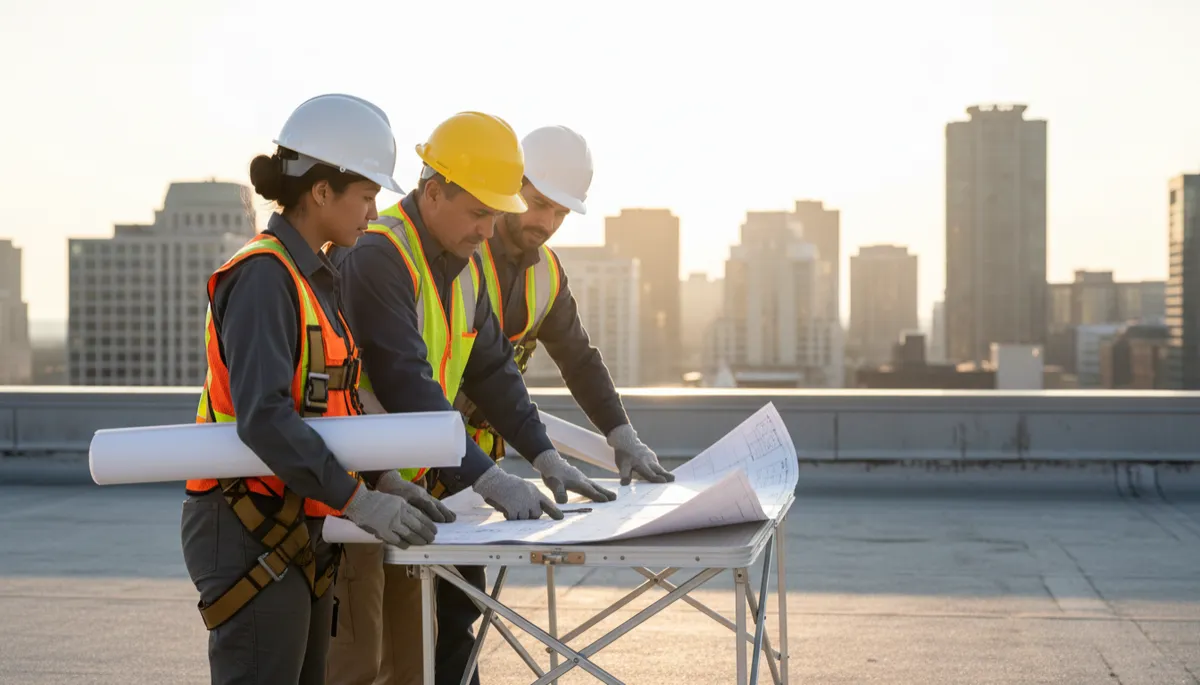
A clear roof assessment helps compare true lifetime costs, not just today’s bill.
3. Maintenance Tips to Extend the Life of Your Commercial Roofing
Whether you choose roof repair or replacement, consistent care is essential. The right maintenance tips can add years to your roof’s life and reduce emergency calls. Consider these best practices for any commercial roofing system:
Schedule regular inspections at least twice a year and after major storms to catch small issues before they grow into expensive problems.
Keep drains and gutters clear so water can move off the roof quickly, reducing ponding and structural stress.
Control rooftop traffic by using walk pads and limiting access to trained personnel to prevent accidental punctures and membrane damage.
Document every visit from contractors, including photos and repair notes, to build a maintenance history that supports warranty claims and future decision-making.
📌 Key Takeaway: Preventive maintenance is the simplest way to delay costly roof replacement and make every repair dollar go further.
4. Practical Decision Guide: Should You Repair or Replace?
Use this quick decision guide to talk with your roofing professional and choose the right path for your building:
Age of the roof: If your commercial roofing system is less than halfway through its expected life and problems are limited, roof repair is usually the smarter choice. If it is near or past its rated lifespan, roof replacement often makes more sense.
Extent of damage: Localized leaks, minor punctures, or isolated seam failures point toward repair. Widespread blistering, extensive wet insulation, or structural concerns point toward replacement.
Energy and comfort goals: If you want to significantly improve insulation, reduce energy bills, or upgrade to a reflective system, a new roof may deliver better long-term value than continuous patching.
Budget and timing: When capital is tight, targeted repairs combined with a clear long-term plan can bridge the gap until a full replacement is feasible. Ask about phased replacement options to spread costs over time.
💡 Pro Tip: Request a detailed roof condition report with photos, moisture scans, and repair versus replacement recommendations to support your decision and budget approvals.
Bringing It All Together
Deciding between commercial roof repair and roof replacement doesn’t have to be guesswork. By weighing true cost comparison over time, following consistent maintenance tips, and using a structured decision guide, you can protect your building, your budget, and the people who rely on your facility every day. Partner with a trusted commercial roofing specialist, ask for clear options, and choose the solution that supports both your immediate needs and long-term plans.