Cut Energy Costs with SPF Roofing Systems
SPF Roofing, Energy Efficiency, Energy Savings
Reduce Energy Costs with SPF Roofing Systems
Discover how modern SPF roofing systems can dramatically improve energy efficiency, boost insulation performance, and reduce energy costs for your building year-round.
What Is SPF Roofing and How Does It Work?
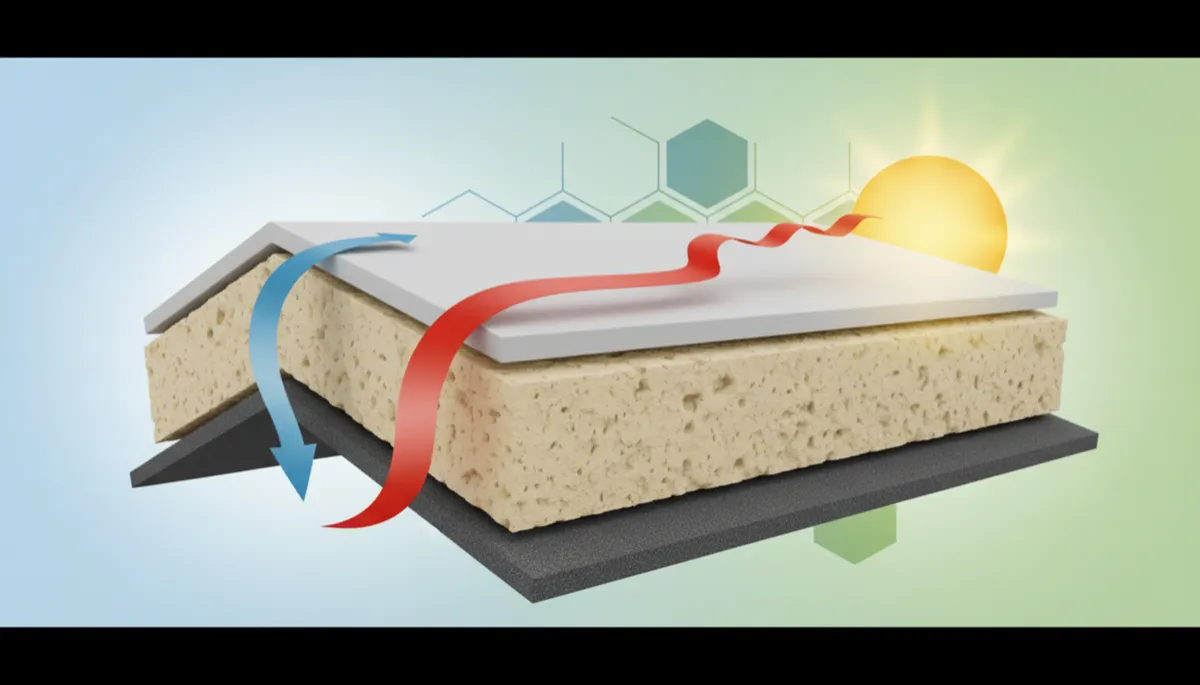
SPF roofing, or spray polyurethane foam roofing, is a seamless roofing system created by spraying a liquid foam that expands into a solid, protective layer. Applied directly over existing substrates such as metal, single-ply, or built-up roofs, SPF forms a continuous surface that eliminates many of the weak points found in traditional roofing systems, like joints and fasteners. The result is a durable, lightweight roof that combines waterproofing and high-performance insulation in one integrated system.
Energy Efficiency Starts at the Roof
The roof is one of the largest exposed surfaces on any building, making it a critical factor in overall energy efficiency. Poorly insulated or aging roofs allow conditioned air to escape and outdoor temperatures to infiltrate, forcing HVAC systems to work harder. SPF roofing addresses this by creating a highly efficient thermal barrier that reduces heat transfer through the roof assembly. When paired with a reflective topcoat, SPF systems can also minimize heat gain from sunlight, helping stabilize indoor temperatures in both hot and cold climates.
How SPF Roofing Helps Reduce Energy Costs
One of the most compelling reasons to consider SPF roofing is its ability to reduce energy costs. The closed-cell foam delivers an impressive R-value per inch, meaning you achieve more insulation with less material compared to many conventional roofing systems. As heat loss in winter and heat gain in summer are reduced, heating and cooling equipment can operate more efficiently and run less frequently. Over time, these improvements translate into measurable energy savings on utility bills and can even extend the life of HVAC components by reducing strain on the system.
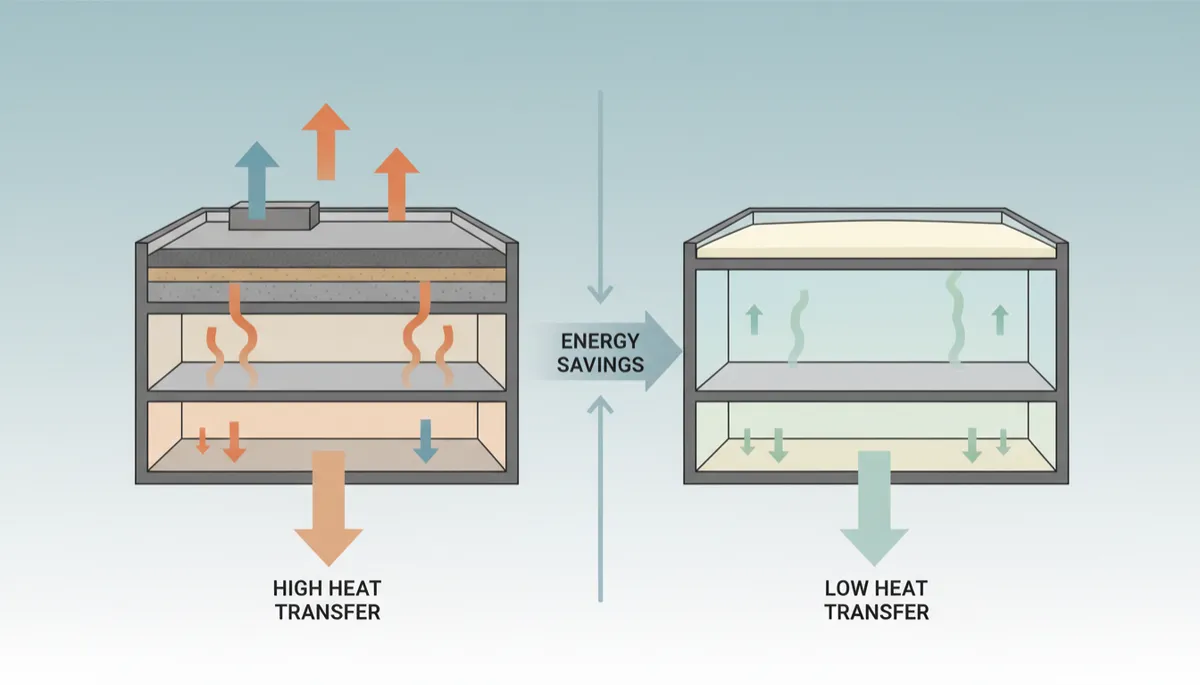
Upgrading to SPF roofing can cut heating and cooling expenses by a noticeable margin each year.
Insulation Benefits You Can Feel and Measure
The insulation benefits of SPF roofing go beyond simple temperature control. Because the foam adheres to the substrate and expands to fill gaps, it helps seal cracks, joints, and penetrations that often cause air leakage. This air sealing effect improves indoor comfort by reducing drafts and temperature swings while also supporting better humidity control. In many cases, building owners report more consistent interior conditions and fewer hot or cold spots after installing SPF roofing systems—benefits that contribute directly to occupant comfort and productivity.
Why SPF Outperforms Many Traditional Roofing Systems
Compared with conventional roofing systems, SPF offers a unique combination of performance, flexibility, and longevity. Traditional assemblies often rely on multiple layers, seams, and mechanical fasteners, each of which can become a potential failure point over time. By contrast, SPF roofing creates a monolithic surface that resists ponding water, adapts to unusual shapes, and can be renewed with additional foam or coating instead of full tear-offs. These attributes help protect your investment while supporting long-term energy efficiency and reduced maintenance needs.
Turning Energy Savings into Long-Term Value
When you combine high-performance insulation, air sealing, and reflective coatings, SPF roofing delivers meaningful, long-term energy savings. Lower monthly utility bills can help offset the initial installation cost, and in many cases, the payback period is shortened by reduced maintenance and extended roof life. For owners focused on operational budgets, sustainability goals, or building value, investing in SPF roofing is a strategic way to reduce energy costs while enhancing the overall performance of the building envelope.
By choosing SPF roofing systems, you are not simply replacing a roof—you are upgrading to an integrated solution that supports energy efficiency, insulation performance, and long-term cost control from the top down.