Essential Roof Inspection Tips for Business Owners
Commercial Roofing, Property Management, Business Operations
What Every Business Owner Should Know About Roof Inspections
Your roof is one of your building’s most valuable assets—yet it’s often the least understood. Knowing how roof inspections work, and what to expect, can save your business money, downtime, and serious headaches.
Why Roof Inspections Matter for Your Business
For most businesses, the roof is out of sight and out of mind—until there’s a leak over your equipment, stockroom, or reception area. Regular roof inspections turn surprise emergencies into manageable maintenance tasks. They help you:
Extend the life of your existing roof by catching issues early
Avoid business interruption from leaks and structural damage
Plan capital expenses instead of reacting to unexpected failures
💡 Pro Tip: Treat your roof like any other business asset. Inspections are not a cost line item; they’re risk management and budget-control tools.
How Often Should a Commercial Roof Be Inspected?
As a rule of thumb, most commercial roofs should be inspected at least twice a year—typically in the spring and fall. In addition, schedule an inspection after:
Major storms (hail, heavy wind, or extreme snow)
Nearby construction that could impact your roof system
Installation or servicing of rooftop HVAC or other equipment
Many warranties actually require regular inspections and documented maintenance. Skipping them can give manufacturers or insurers a reason to deny your claim when you need help most.
What a Thorough Roof Inspection Should Include
Not all inspections are created equal. As a business owner, you should expect more than a quick walk-around and a verbal “looks fine.” A professional commercial roof inspection typically covers:
Exterior surface review: Checking for cracks, blisters, punctures, ponding water, loose seams, and membrane wear.
Flashings and penetrations: Inspecting areas around HVAC units, vents, skylights, and parapet walls where leaks often start.
Drainage systems: Ensuring gutters, scuppers, and internal drains are clear so water doesn’t back up into your building.
Interior check: Looking at ceilings and walls for staining, mold, or moisture that may indicate hidden leaks.
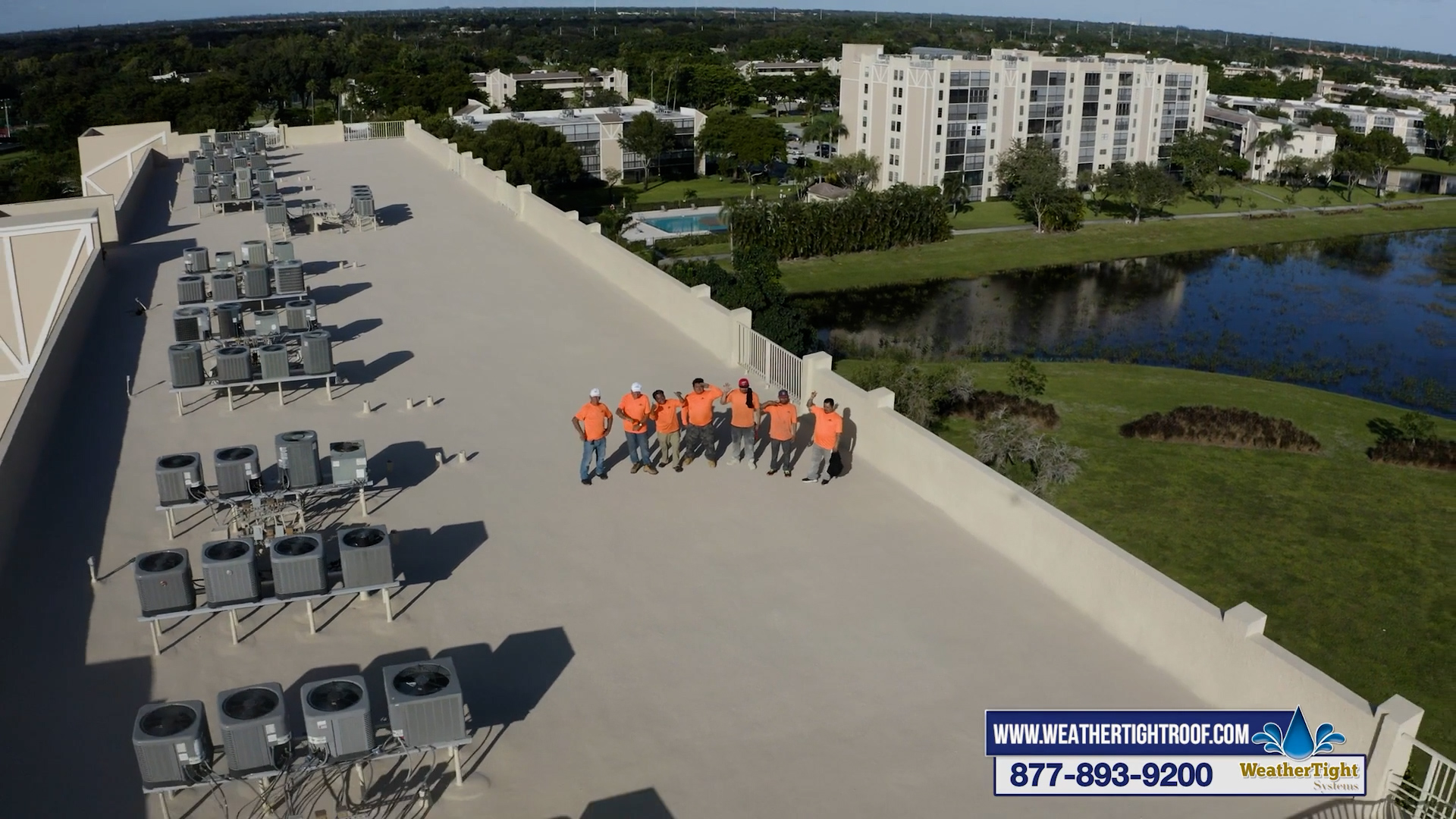
Detailed inspection reports help owners prioritize repairs and justify budget decisions.
What You Should Expect in the Inspection Report
As an owner, your goal is clarity. A strong inspection report should give you enough information to make decisions quickly and confidently. Look for:
Photos of problem areas and overall roof conditions
A clear summary of current risks and urgency levels (immediate, short term, long term)
Repair recommendations with estimated costs and timelines
An estimated remaining service life for the roof system
📌 Key Takeaway: If your report doesn’t help you build a one– to five–year roof plan, ask for more detail. You’re not just buying an inspection—you’re buying insight.
Choosing the Right Roofing Partner
Finally, who you hire matters. Look for a contractor with commercial experience, proper licensing and insurance, and a track record with businesses similar to yours. Ask whether they offer maintenance programs, emergency response, and help with warranty or insurance documentation.
When you understand what roof inspections should include—and insist on that standard—you protect your building, your people, and your bottom line from the top down.